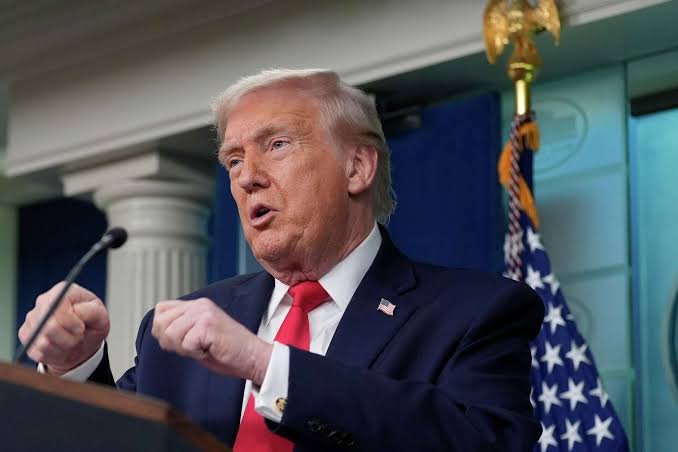
White House Pushes Tax Refund Gains as Most Americans Still Feel Overtaxed
The White House is stepping up efforts to spotlight larger tax refunds and newly expanded deductions as many Americans file their returns, hoping the benefits will resonate with voters worried about affordability.
President Donald Trump has placed special attention on the temporary “No Tax on Tips” policy, a Republican-backed measure that allows eligible workers to deduct some tip income from federal taxes. The administration has used public appearances and digital campaigns to emphasize how service workers, delivery drivers, and hospitality employees could see bigger refunds this season.
One recent White House event featured a food delivery worker who said the policy significantly reduced her tax burden, reinforcing the administration’s message that the law is designed to help working-class earners. Trump is also expected to continue promoting the measure in cities with large hospitality sectors, where tipped workers stand to benefit the most.


However, the administration’s messaging push is facing strong economic headwinds. Analysts say rising gas prices tied to the conflict involving Iran are likely to absorb much of the financial relief many households expect from larger refunds. Fuel costs have climbed as disruptions around major oil shipping routes continue to affect global energy markets.
Economists warn that while average refunds are higher this year, the gains may feel limited once Americans factor in higher transportation, grocery, and travel costs. The pressure is expected to be especially sharp for gig workers and drivers whose income depends heavily on fuel use.
Polling also suggests the broader public remains unconvinced. Recent surveys show that most Americans still believe their taxes are too high, even after the new tax law introduced multiple deductions and expanded credits. That disconnect is becoming a key political challenge as both parties sharpen their economic messaging ahead of future elections.