US, Iran Edge Toward Fresh Talks as Strait of Hormuz Tensions Keep Global Markets on Alert
Fresh diplomatic efforts are underway to organize a second round of talks between the United States and Iran as tensions remain high around the Strait of Hormuz, one of the world’s most critical oil transit routes.
The latest push comes as Pakistan steps up mediation between both sides following the collapse of last weekend’s negotiations, which failed to produce a permanent agreement to end the conflict that began on February 28 with joint U.S. and Israeli strikes on Iran. Despite the setback, officials involved in the process say discussions are continuing behind the scenes, with another round of talks potentially taking place within days.
According to officials familiar with the matter, the initial diplomatic engagement was never intended to be a one-time meeting but rather part of a broader negotiation process aimed at reducing tensions and preventing another major escalation in the Gulf. Pakistan is now said to be working urgently to host the next phase of the talks.


The fragile ceasefire reached last week has so far remained in place, but the wider standoff continues to threaten regional stability. The situation has become even more sensitive after the United States announced a blockade targeting maritime traffic linked to Iranian ports, while Iran has warned it could retaliate against targets across the region if pressure intensifies further.
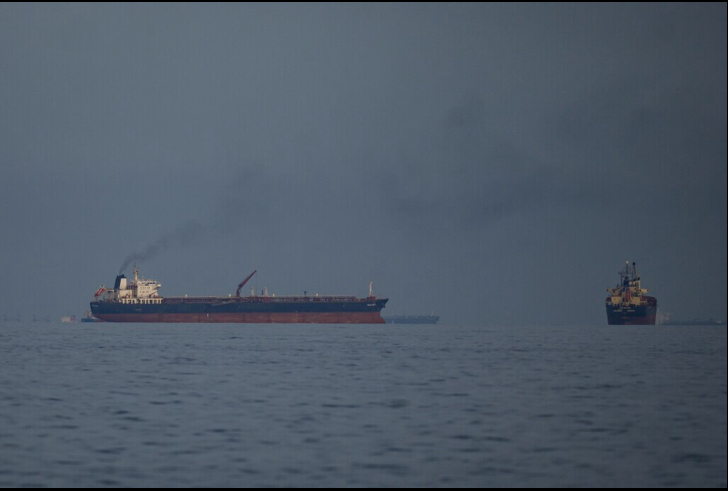
Meanwhile, shipping activity in the Strait of Hormuz remains under close global watch. Reports indicate that a limited number of commercial vessels and oil tankers have still been able to transit the waterway despite the heightened military risk, suggesting that energy flows have slowed sharply but not completely stopped.
Because roughly one-fifth of the world’s seaborne oil normally passes through the strait, even restricted movement has had a major impact on global energy prices, freight insurance costs, and supply chain confidence. Analysts warn that any renewed breakdown in talks could quickly send oil prices higher and trigger fresh economic pressure far beyond the Middle East.
Officials on both sides are still discussing the possible venue, timing, and delegation structure for the proposed next round, with no final decision publicly confirmed as of Tuesday. However, the continuation of diplomatic contacts suggests that both sides are still leaving room for a negotiated path forward.