US Court Hears Addiction Claims as Mark Zuckerberg Takes the Stand
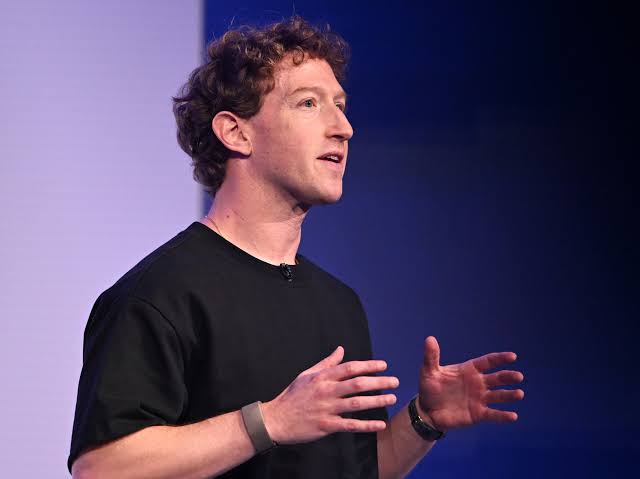
The Chief Executive Officer of Meta, Mark Zuckerberg, is expected to testify on Wednesday in a major social media addiction trial taking place in California.
The case is being heard in Los Angeles and centres on claims that platforms such as Instagram and Facebook were intentionally designed to make young users addicted.
Zuckerberg, 41, is the most high-profile witness in the trial. It will be the first time he speaks directly to a jury about the safety of Meta’s platforms. The case is also the first in a series of lawsuits filed by American families against major social media companies.


Legal experts say the outcome could influence how thousands of similar cases are handled in the future.
During jury selection, Meta’s lawyers attempted to exclude some California residents, arguing that they might be overly hostile toward the tech billionaire.
The jury will hear testimony until late March as they consider whether Google-owned YouTube and Meta’s Instagram should be held responsible for mental health problems experienced by a young woman identified in court records as Kaley G.M.
Kaley, now 20, reportedly began using YouTube at the age of six, joined Instagram at 11, and later used TikTok and Snapchat.
The jury is being asked to decide whether Google and Meta deliberately designed features such as algorithms and personalised content to encourage compulsive use among children and teenagers, potentially harming their mental health.
The lawsuit is part of a wider legal effort to address claims that social media use has contributed to increased cases of depression, anxiety, eating disorders, and suicide among young people.
Unlike many other tech lawsuits, this case focuses on platform design rather than user-generated content, which is generally protected under US law. TikTok and Snapchat were initially named in the case but reached confidential settlements with the plaintiff before the trial began.
Earlier this month, Instagram head Adam Mosseri testified in court. He rejected the idea of “social media addiction,” instead describing the issue as “problematic use.”
“I’m sure I’ve said I was addicted to a Netflix show after watching too much in one night, but I don’t think that’s the same as clinical addiction,” Mosseri told jurors.
His testimony drew emotional reactions from family members of teenagers who died by suicide, some of whom were present in court.
The court also heard from psychiatrist Anna Lembke, who explained how social media could act as a “gateway drug” for young users by affecting brain development and reinforcing addictive behaviour.
Mosseri was questioned about internal company emails discussing cosmetic surgery filters on Instagram. He defended Zuckerberg’s 2020 decision to keep the filters, despite concerns from some executives that they could harm young girls’ self-image. According to court records, company officials feared losing users to competitors like TikTok.
YouTube CEO Neal Mohan was initially expected to testify but was later replaced by another YouTube executive, according to the plaintiff’s lawyers.
The Los Angeles trial is happening alongside a separate nationwide case before a federal judge in Oakland, California. That case could lead to another trial in 2026.
Meanwhile, Meta is also facing a separate trial in New Mexico, where prosecutors accuse the company of prioritising profits over protecting minors from sexual predators.