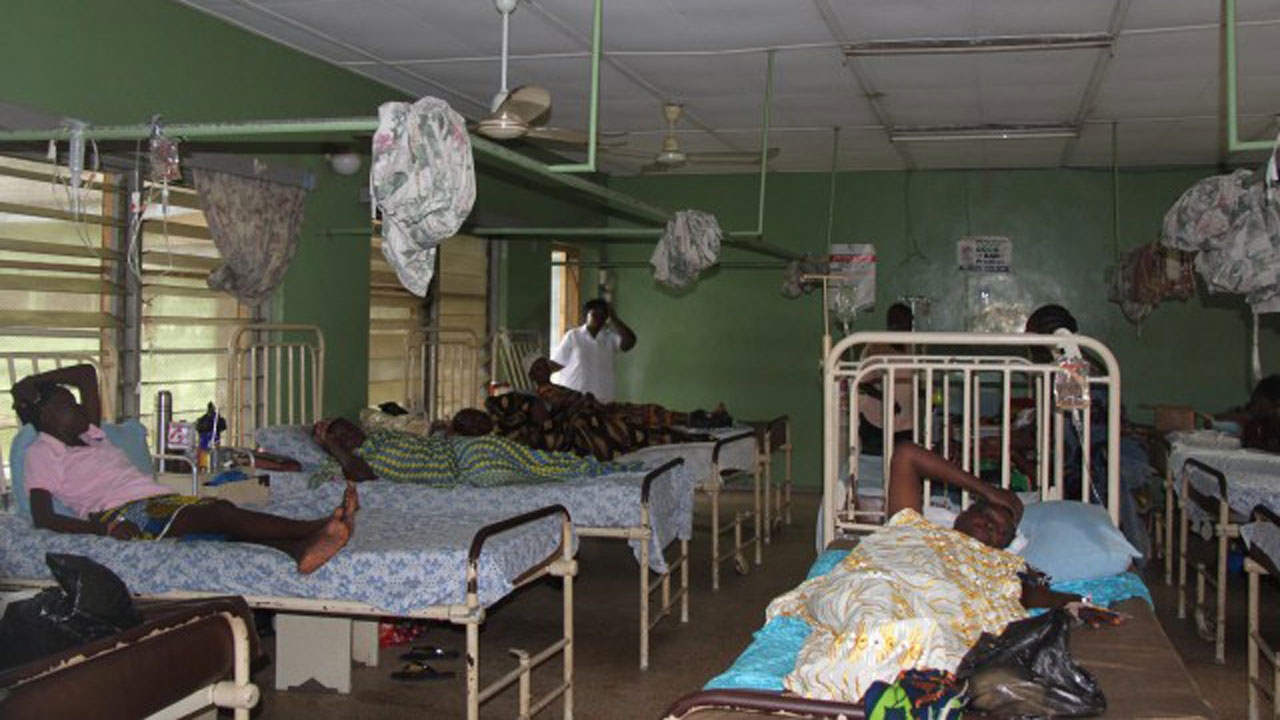
Hospitals Struggle as FG Releases Only N36m for Health Capital Projects
Public hospitals across Nigeria are facing serious challenges as the Federal Government released only N36 million out of the N218 billion allocated for health sector capital projects in the 2025 budget.
The amount released so far represents about 0.02 per cent of the total capital allocation, raising concerns among health professionals about the government’s commitment to improving healthcare infrastructure.
Experts say the poor release of funds has stalled important projects such as hospital renovations, purchase of medical equipment, and expansion of primary healthcare facilities. This comes at a time when Nigeria continues to battle high maternal and newborn deaths, rising disease burden, and heavy out-of-pocket spending by patients.


The situation is worsened by ongoing health worker migration, frequent strikes, and global cuts in health funding, all of which affected the sector throughout 2025.
Nigeria has also failed to meet the African Union’s Abuja Declaration, which requires countries to allocate at least 15 per cent of their national budgets to health. More than two decades after the commitment was made, the country is still far from the target.
Speaking during the 2026 budget defence at the House of Representatives, the Minister of Health and Social Welfare, Ali Pate, explained that the ministry could not fully implement its 2025 capital projects due to the huge gap between what was approved and what was actually released.
According to him, only N36 million was made available from the N218 billion approved for capital projects in the 2025 fiscal year.
Health experts warn that continued underfunding of hospital infrastructure could further weaken the already overstretched healthcare system.
The Lagos State Chairman of the Nigerian Medical Association, Babajide Saheed, described the release as disappointing and dangerous for patients.
He said the poor funding shows that healthcare is not being treated as a priority and warned that it could lead to avoidable deaths, especially in emergency care, maternal health, and chronic disease management.
According to him, when hospitals lack proper equipment and infrastructure, access to quality care reduces and mortality rates increase.
He urged the Federal Government to release the full allocation meant for capital projects, stressing that denying hospitals adequate funding directly affects patient survival and overall health outcomes.
Also reacting, former Ogun State Vice Chairman of the Pharmaceutical Society of Nigeria, Olumide Obube, described the situation as embarrassing for a country of over 200 million people.
He said releasing less than one per cent of the approved capital budget amounts to near non-implementation and reflects deeper problems in governance and economic planning.
Obube explained that capital funding is essential for hospital buildings, medical equipment, laboratories, oxygen plants, digital health systems, and tertiary hospital upgrades. Without it, the health system remains stagnant.
He added that poor infrastructure and lack of equipment discourage health workers, increase frustration, and worsen brain drain, further reducing the quality of care available to Nigerians.
Both experts stressed that the health of Nigerians must be treated as a national priority, warning that failure to act could further damage public trust and endanger lives.